
Golden Homes Blog
How to Buy Property When Interest Rates Are High
Ask Golden Homes
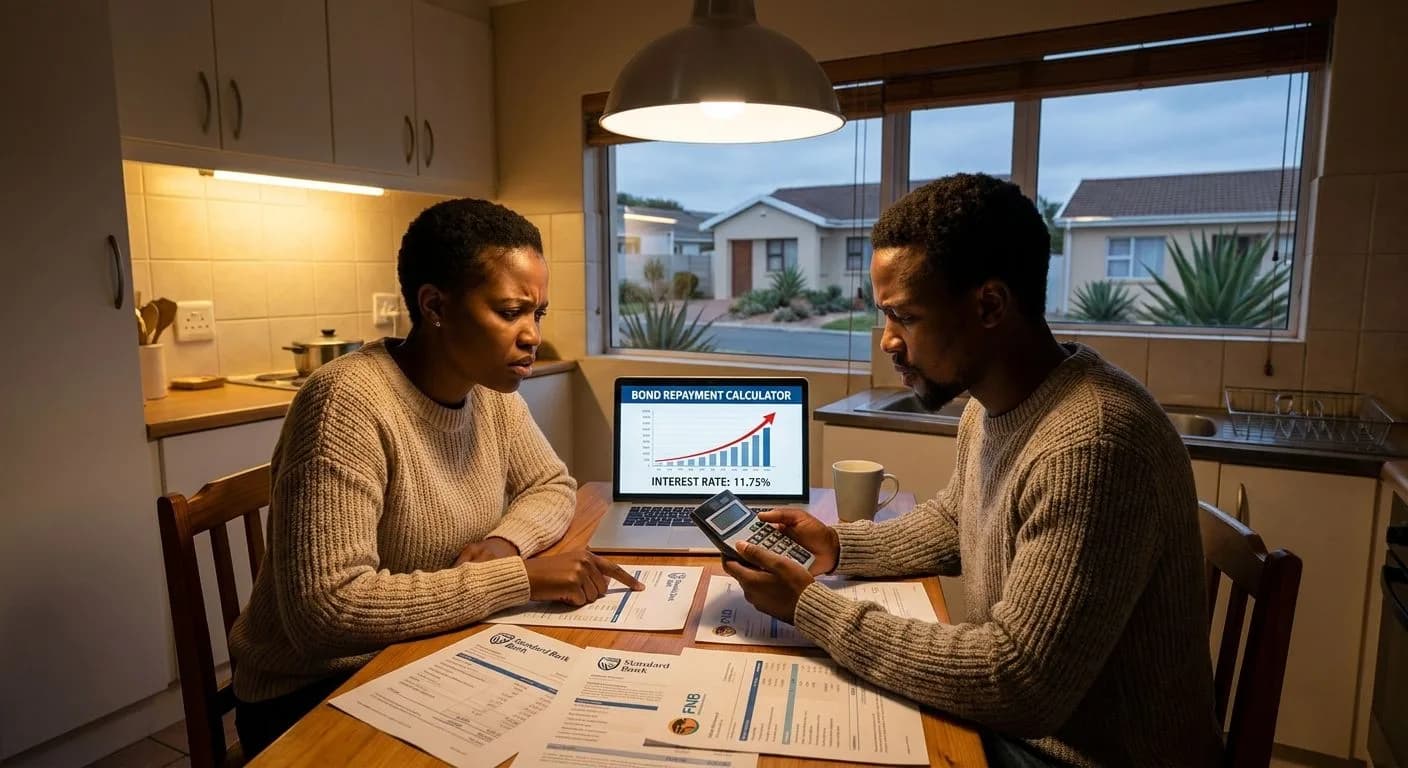
The bank's SMS lands while you are making supper: the repayment on the house you have been watching is over R1 000 more a month than you planned for. Your qualifying amount has dropped. Every headline says wait. But the show house is still on Saturday, the agent has already phoned twice, and the couple who viewed on Tuesday looked serious.
What buying in a high-rate market means for you
Buying property when interest rates are high means testing affordability at today's rates and at rates one to two percentage points higher, using a deposit to lower both the bond amount and the rate offered, comparing approvals from several banks through a bond originator, and looking for sellers who are flexible on price, conditions or transfer costs. It's a demanding time to buy, but a prepared buyer often finds better deals than in a boom market.
For buyers, the practical steps are the same in any market: know your budget, get pre-approval and compare offers, but in a high-rate market each step counts for more.
Key takeaways
- High interest rates reduce the pool of competing buyers, which shifts negotiating power toward prepared buyers. Sellers in a high-rate market are more open to price flexibility and condition negotiation than sellers in a low-rate, high-competition market.
- Affordability should be calculated at current rates plus one percentage point. If you can sustain repayments at that level, you've built resilience into the purchase before rates move again.
- A deposit reduces both the bond amount and the risk the bank is taking, which typically improves the interest rate offered. Even a 10% deposit changes the economics of the loan significantly over a 20-year term.
- Bond pre-approval before viewing properties removes the risk of finding the right property and discovering too late that your qualifying amount doesn't reach it.
- Interest rate cycles reverse. A property purchased at a price the current market supports becomes more affordable when rates fall, creating equity gain without requiring any action from you.
The great pause

Across South Africa, countless buyers find themselves in this same stand-off: heart versus headline, discipline versus desire. Interest rates rise, and the world seems to say, wait. Wait for the cut. Wait for the next announcement from the Reserve Bank. Wait until the market cools.
But waiting has its own cost. Every month spent hesitating is a month of rent paid into someone else's bond. Every percentage shift in interest can push affordability further out of reach. The longer the delay, the steeper the climb back to the same goal. High rates don't end opportunity; they simply change its terms.
In practice, waiting has a cost too. While you rent, you pay for someone else's bond, and prices may rise when rates eventually fall and more buyers return. That doesn't mean rushing in. It means testing your budget against today's rate and a higher one, buying only what you can afford if rates rise further, and keeping a cash buffer for transfer costs and repairs. A bond originator can show you what different banks would approve at current rates.
Ask your agent to confirm this before you sign.
Understanding the terrain
To buy well in this climate, keep your plan measured and your figures clear, but don't abandon the goal. Interest rates set the tempo of the property market. When the South African Reserve Bank raises the repo rate, it's fighting inflation, steadying the currency, and protecting long-term economic health. For you as a buyer, though, it can feel like the goalposts moved overnight, even though the fundamentals of buying a home haven't changed.
Here's what that means in practice:
- Higher interest = higher repayments. A rise of only 1% can add hundreds or even thousands of rands to a monthly bond.
- Affordability shrinks. Banks recalculate what you can borrow. Your approval amount drops even if your income hasn't changed.
- Competition softens. Fewer qualified buyers mean less bidding frenzy. Sellers become more flexible.
- Long-term value steadies. High-rate markets often cool inflated prices, creating opportunities for disciplined buyers to enter at fairer value.
When everyone else is waiting, strategy counts for more than speed.
Ask your agent how long homes in your target suburb are taking to sell, and how much below asking price they are selling.
The mindset of the modern buyer
The buyers who get this right don't only look at walls and tiles. They look at numbers. They know what they can afford if rates rise again, what the repayment will be if they save an extra R50 000, and what difference a 20-year versus 25-year term makes.
That's when fear turns into focus. Buying in a high-interest environment demands honest maths and a steady head: not bravado, not panic. It's about balancing what you want with what you can sustain.
Every wise buyer in a high-rate market should:
- Know your true budget. Calculate affordability not on today's rate, but on one percent higher. A larger deposit lowers both the bond and the rate you're offered, so build that into your sums. If you can sustain the higher repayment, you'll be in a strong position when rates drop.
- Hunt for value, not glamour. Location, structure, and potential count for more than finishes or staging. The granite can come later.
- Negotiate boldly. With fewer buyers in the pool, sellers and banks are more open to flexibility. Ask for concessions such as transfer cost assistance, furniture inclusions, or a better rate.
- Play the long game. Property wealth grows not from timing the market perfectly, but from staying in it patiently.
The whisper of opportunity
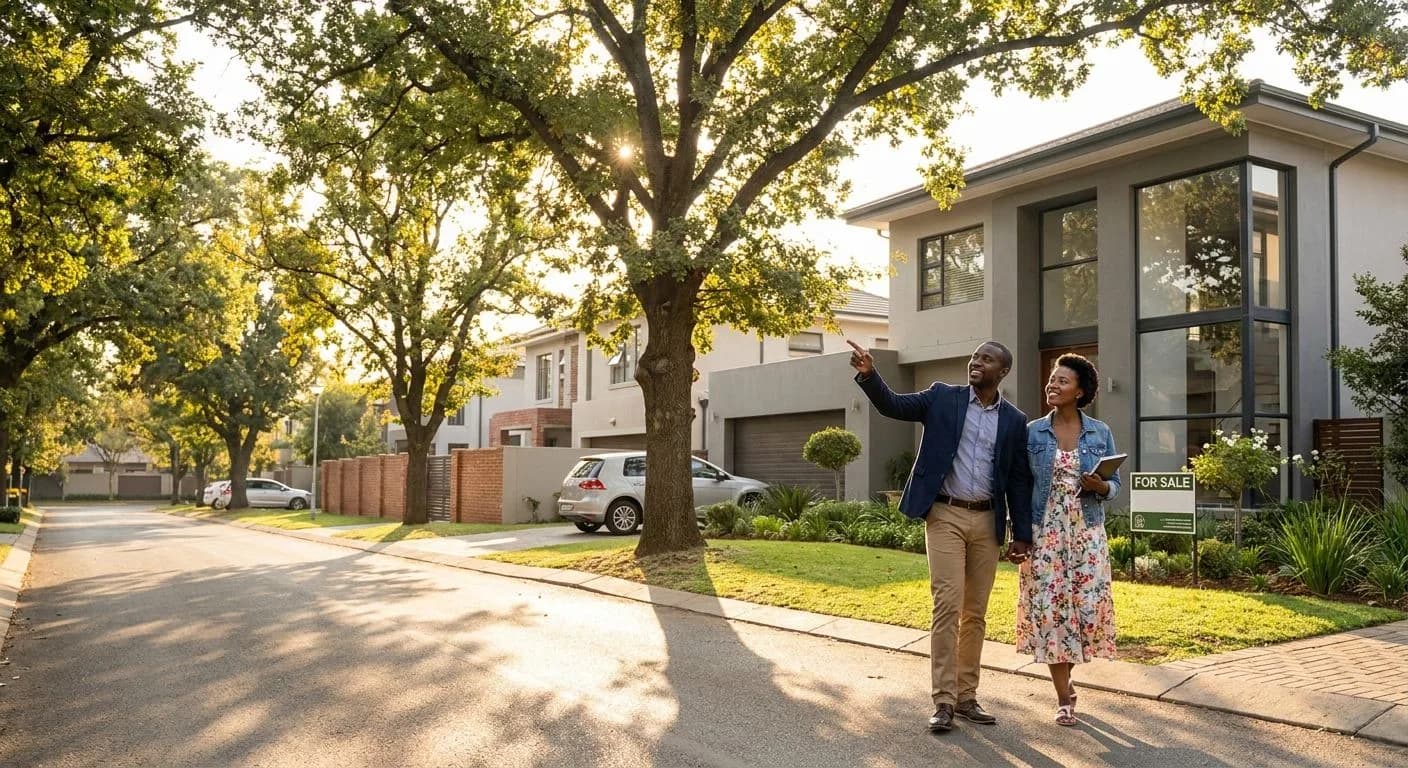
There is an irony in hard times: they hide the best openings. In the frenzy of low-rate markets, prices soar and competition is ruthless. But when rates rise and the noise dies down, serious buyers step forward, cautious and deliberate, ready to act on solid information rather than fear.
The investors who bought during the slower, costlier seasons often built the greatest gains once the tide turned. They didn't wait for comfort; they acted with understanding.
As one seasoned agent in Boksburg puts it: "You don't make your fortune when everyone's buying. You make it when everyone's scared to."
In practice, opportunity in a slower market often comes from sellers who need to move: a job transfer, a divorce or a home that has been on the market for months. These sellers may accept a lower price, contribute to transfer costs or agree to a longer occupation date. A prepared buyer, with bond approval and a clear budget, is in the strongest position to negotiate. Ask your agent which listings have been on the market longest, and why that might be.
The emotional equation
Property isn't only numbers, of course. It's belonging. It's the sound of a gate closing at dusk and the smell of supper in your own kitchen. But even the most personal purchase must be built on solid foundations, and that means understanding the true nature of debt.
Debt, in the property sense, isn't the enemy. It's a bridge: costly, yes, but leading to something lasting. The danger lies not in borrowing, but in borrowing blindly.
If you're buying in this moment of uncertainty, remember this: homeownership isn't slipping away. It's asking for discipline. You may buy smaller, or later, or with compromise, but that isn't failure. That's strategy. Every payment made on a bond you can manage is better than the rent you'll never see again.
In practice, the emotional side of buying in a high-rate market is managing the fear of making a mistake. A clear budget, a buffer for rate increases and a property you can afford comfortably make that easier. Talk the numbers through with your bank or originator, and decide your maximum price before you start viewing homes.
The turning of the tide

When you make a well-researched offer, slightly below asking with conditions negotiated in your favour, it may not be perfect on paper. But it will be possible, and that's where equity starts.
Rate cycles turn. Analysts speak of stabilisation and inflation cooling. The buyers who acted with strategy during the high-rate period are the ones best positioned when the market shifts.
In practice, rates move in cycles. The South African Reserve Bank's Monetary Policy Committee meets several times a year and adjusts the repo rate in response to inflation, and the prime lending rate follows. When rates fall, bond repayments drop and more buyers return to the market, which can push prices up. Buyers who bought during the high-rate period, with a repayment they could afford, then benefit from lower repayments and a firmer market. If rates fall after you buy, consider keeping your repayment at the same level, so the extra goes towards the capital and shortens the term. That simple step can save a large amount of interest over the life of the bond, and it builds equity faster.
Closing Reflection
Every generation of homeowners faces its own test. For some it's recession; for others, inflation or uncertainty. Yet through it all, the same truth endures: property is more than an asset, it's a statement of faith. To buy in uncertain times is to believe in the future. The tides of interest will rise and fall, but those who plant their roots endure the weather.
You don't have to wait out the rate cycle to buy well. You have to buy prepared.
You shouldn't have to buy in a high-rate market without a clear plan. With Golden Homes you won't.
Contact Golden Homes before making an offer in a high-rate environment. An agent will map the current buyer pool, identify where sellers are flexible, and connect you with a bond originator who can confirm pre-approval before your first viewing is booked.
Buying in a high-rate environment raises practical questions that headlines rarely answer. Here are the ones that come up most often.
Frequently asked questions
Is it wise to buy a home when interest rates are high?
Buying in a high-rate environment is not inherently unwise. It depends on whether you have calculated affordability honestly and whether the property is priced for the market that currently exists, not the one that existed twelve months ago. High rates reduce the competing buyer pool, which creates negotiating conditions that do not exist in low-rate boom periods. Sellers who have been on the market for several months are more open to price reductions, transfer cost assistance, and condition flexibility than sellers in a competitive market where multiple offers arrive in the first week. The question to ask is not whether the rate is high, but whether the monthly repayment at current rates and at one percentage point higher is sustainable within your income. If the answer is yes and the property is correctly priced, buying in a high-rate season can produce better entry pricing than waiting for a low-rate period when competition and prices both rise.
How can I make bond approval more likely in a high-rate environment?
Bond approval in a high-rate environment depends on the same factors as in any environment: income, expenses, existing debt, credit history, and deposit. But the qualifying thresholds are tighter because the monthly repayment on any given bond amount is higher. The most effective preparation steps are: settling small outstanding debts before applying, which improves the debt-to-income ratio the bank uses to assess risk; saving a deposit, because even 10% reduces the bond amount and typically improves the interest rate offered; maintaining consistent employment and savings history in the three to six months before application; and applying through a bond originator who submits to multiple banks at once.
Before applying, pay down short-term debt such as store cards and personal loans, check your credit report for errors, and avoid taking on new credit. Gather your payslips, bank statements and identity documents, so the application is complete from day one.
Check the wording carefully before you sign anything.
What mindset produces the best outcomes when buying in an uncertain rate environment?
The buyers who navigate high-rate environments most successfully treat the process as a discipline rather than a gamble. They calculate affordability conservatively, they do not extend themselves to the maximum qualifying amount, and they identify properties where the value, location, structure, and land will hold regardless of what happens to rates in the short term. They treat the thinner buyer pool as an advantage rather than a warning sign, because it is the condition that creates negotiating room. The rate environment at the time of purchase counts for less, over a twenty-year term, than the price paid and the quality of the asset selected.
In practice, that means deciding your maximum price before viewing, sticking to it when you find a home you love, and choosing a property you could afford even if rates rose by another percentage point or two. Patience and preparation tend to produce better buys than haste.
What happens to my bond repayment if interest rates drop after I buy?
When the South African Reserve Bank cuts the repo rate, commercial banks reduce their prime lending rate by the same amount, and variable-rate home loans, which constitute the majority of South African residential bonds, reduce in line with prime. This means you automatically benefit from lower monthly repayments when rates fall, without any action required. On a R1.5 million bond over 20 years, a one percentage point rate reduction reduces the monthly repayment by approximately R900 to R1,000. If you can sustain the repayment at the higher rate, a rate reduction creates surplus cash flow, which can be redirected into additional capital payments to reduce the outstanding bond balance and shorten the loan term.
Ask your bank whether you can keep paying the higher amount without penalty, and check that the extra goes straight to the capital, not into an access facility you might draw on later by mistake.
Your conveyancer can explain how this applies to you.
Disclaimer: This blog is provided for general information only and does not constitute advice. For advice specific to your circumstances, please contact your closest Golden Homes.