
Ask Golden Homes

The house showed beautifully on a dry Saturday afternoon, and you signed within the week. Three weeks later the first real rain came through, and the brown stain that had been painted over on the lounge ceiling bloomed back to life, dripping onto the new couch. On a dry day it was invisible. On a wet one it would have cost the seller the sale, or cost you a repair.
What you're responsible for spotting
The buyer's duty to inspect is the legal obligation to examine a property thoroughly before signing an Offer to Purchase. Under the principle of voetstoots, a buyer accepts all patent defects that could have been discovered during a diligent inspection.
Key Takeaways
- Patent defects are visible flaws that you must identify and negotiate before signing.
- A professional home inspection gives you technical detail that a casual walkthrough can't offer.
- The duty to inspect is your primary safeguard against assuming liability for observable property issues.
- Clear communication with your agent ensures that any concerns raised during inspection are documented.
- Neglecting this duty can leave you responsible for expensive repairs after the transfer process concludes.
The limits of inspection
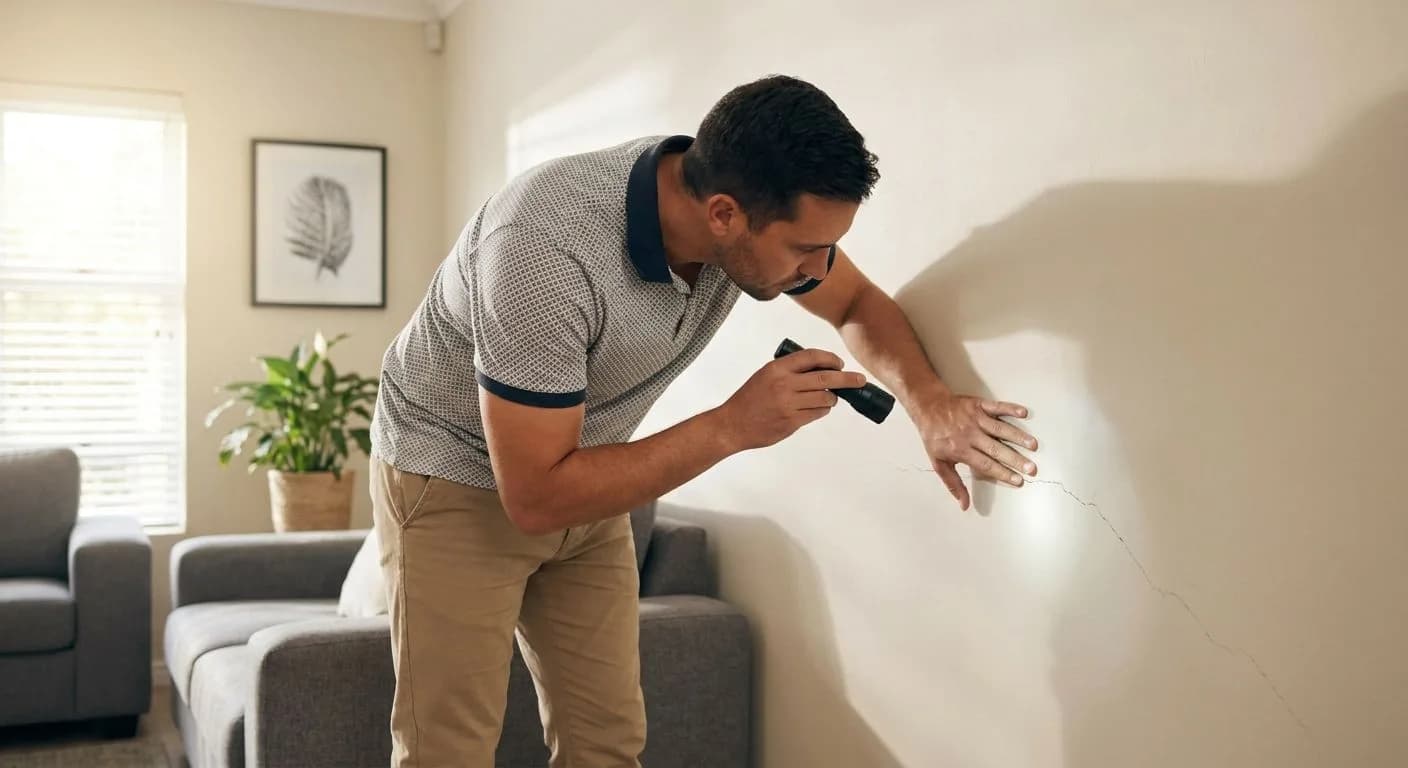
You can't be expected to know every technical detail of a building. However, the law distinguishes between what is obvious and what is hidden. You must look for the clear signs of wear and tear. If a window is cracked or a door doesn't latch, these are patent defects. The seller has a duty to disclose any issues they know about, but they aren't obligated to point out things that are plain to see. Your duty is to be present and active during your visit. If you see a stain on the ceiling, ask about it. If the flooring feels uneven, walk over it and test the stability. You are the final judge of whether the condition of the home meets your standards. Once you sign, you accept the house in the state you found it.
When the eye cannot see
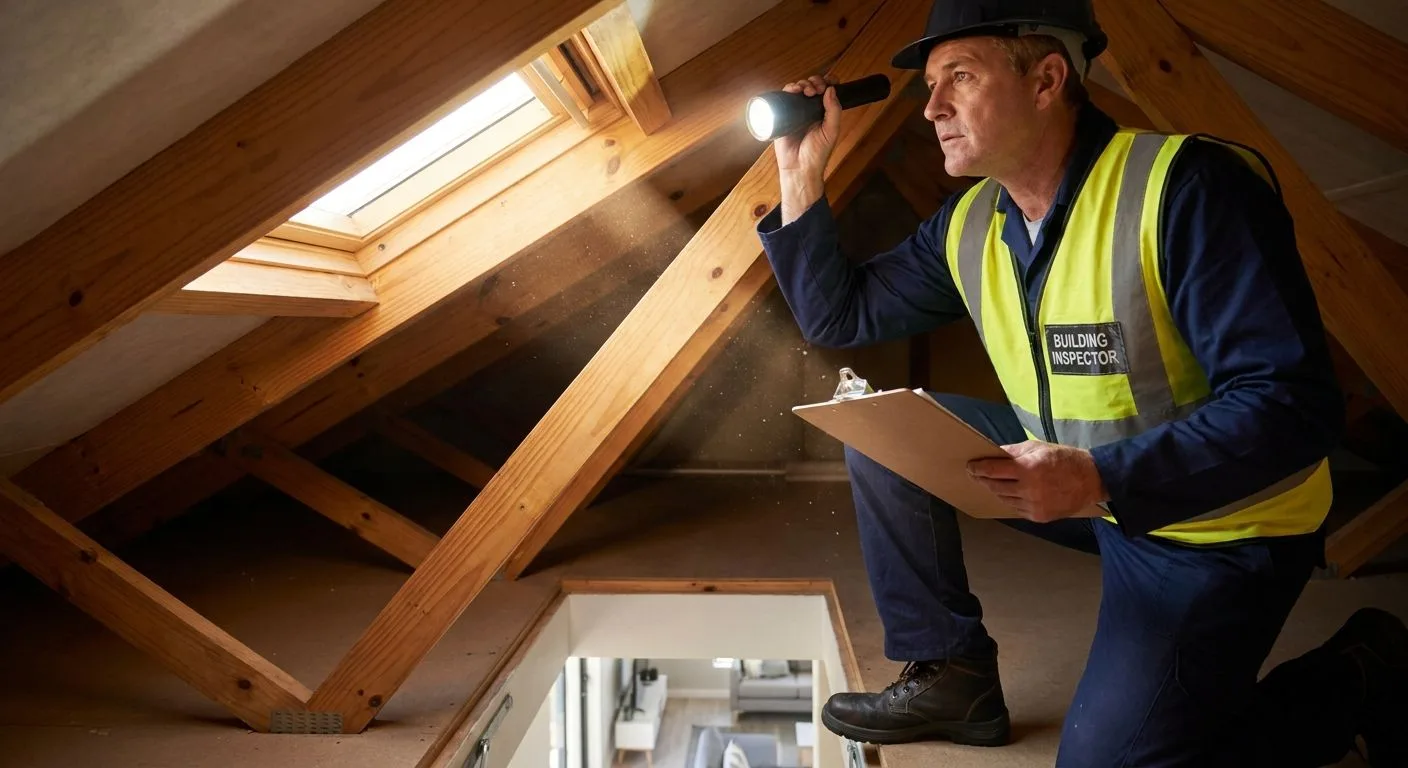
Some problems don't reveal themselves until the first rain or the first cold snap. These are the hidden defects at the heart of the voetstoots debate. You have a duty to inspect, but you aren't a structural engineer. This is why you should consider a professional report. A formal inspection can uncover issues like faulty wiring behind the drywall or early stages of wood rot in the roof trusses. These are latent defects, and a voetstoots clause generally protects the seller against latent defects the seller did not know about, so a professional report before signing allows you to walk away or renegotiate before you're locked into a deal. In Kensington, where the architecture often spans many decades, these reports are worth every cent. They give you the technical data you need to weigh your hope for the home against the financial risk of the purchase.
Beyond the structure
Your inspection must extend to items that aren't part of the building shell. The fixtures and fittings should be on your checklist. Don't assume the garden lights or the wall-mounted shelving unit will remain. Test the appliances included in the sale to confirm they work. If you notice that an item is damaged, address it immediately. It's far better to have a written agreement regarding the repair or replacement of a fixture before you sign than to argue about it on the day you collect the keys. Documentation is the bedrock of a professional transaction. Keep a notepad with you and record the condition of every inclusion as you move from room to room.
Professional support
You don't have to conduct this inspection alone. Part of the agent and conveyancer's role is to give structure to your investigation. A good agent will encourage you to take your time and will point out areas that typically require maintenance.
They understand that a satisfied buyer is the sign of a successful deal. If your inspection reveals a concern, your agent will help you draft a condition for your offer that addresses the repair. They ensure that your observations are translated into binding contract terms. With their guidance, you move from simple observation to a structured, legal assessment of the property. You have a team behind you to ensure that your duty to inspect results in a transparent and fair agreement for all.

Real-world lessons
Consider a buyer in Germiston who noted a faint smell of damp in a guest bathroom but ignored it because the house was appealing. Two weeks after moving in, the bathroom wall began to crumble due to a long-standing leak. Because the warning sign was there to be noticed during a diligent inspection, the buyer had little prospect of holding the seller liable. Now consider a buyer who noticed the same smell, hired a plumber to investigate, and found a significant pipe leak. They negotiated for the seller to fix the pipe before the transfer. This approach proves that the duty to inspect is not merely a formality: it is a financial decision. The difference between the two buyers was a single hour of extra investigation.
Inspecting with the disclosure form in hand
The seller's disclosure form gives the buyer a map, and a careful inspection walks it. Under the Property Practitioners Act, the agent must give a copy of the completed mandatory disclosure form to any prospective buyer who intends to make an offer, so the buyer should ask for it before the second viewing rather than at signing. Each answer on the form points to something to check. A seller who notes a roof leak repaired last winter has told the buyer which ceiling to study and which invoice to request.
The form does not replace the buyer's own inspection. The Act states that nothing in the disclosure section prevents a buyer from undertaking a property inspection, for the buyer's own account, to confirm the state of the property before finalising the transaction. Where the form and the house disagree, the buyer has found the most useful question of the whole viewing: a ceiling marked free of damp with a fresh patch of paint on it, or a pool pump declared working that stays silent when switched on. That question belongs with the agent in writing, before the offer goes in. The disclosure rules for sellers explain what the seller must declare in return.
Closing Reflection
Your home is the setting for the next chapter of your life. It's worth the effort to ensure the foundation is as sound as your plans. By taking ownership of your duty to inspect, you protect your future and your peace of mind. Take a breath, look past the surface, and make sure you understand exactly what you're purchasing.
You shouldn't have to worry about what lies behind the walls of your new home. With Golden Homes you won't.
Contact Golden Homes to speak with a professional who knows the Germiston market.
Buyers raise specific questions when they first understand what the duty to inspect means in practice. Here are the ones we hear most often.
For the complete picture of how voetstoots affects what you accept when you sign, how sellers are required to disclose known defects, and what happens when a hidden defect surfaces after transfer, the guide on voetstoots, fixtures, and fittings covers the clause, the disclosure obligation, and what both parties need to do before the offer is signed.
Frequently asked questions
Can I back out if I find a defect after signing?
No, if the contract includes a voetstoots clause and the defect is latent, you cannot back out of the agreement. The term voetstoots means you are buying the property exactly as it is, with all its existing flaws, whether they are visible or hidden. Because of this, it is essential that you conduct a thorough inspection before signing the contract. Once you have signed the document, you legally accept the property in its current condition, including any undiscovered flaws that may exist. Unless you can prove that the seller deliberately hid a latent defect with the intent to defraud you, you generally have no legal recourse to cancel the sale or demand a price reduction. Due diligence during the initial phase is your primary form of protection, so always ensure you are fully satisfied with the state of the property before making your commitment official. In practice, that is why serious buyers treat the viewing, and often a paid inspection, as the real decision point, not the signing that follows it.
Who pays for repairs if a patent defect is found?
Patent defects are visible, obvious flaws that can be identified during a reasonable inspection. These issues are for the buyer to negotiate with the seller before signing the contract. Once you sign a contract containing a voetstoots clause, you accept all patent defects in their current state, and you lose the right to demand that the seller fixes them. Any repairs required for these visible issues become your sole responsibility as the new owner after the transfer of ownership is finalised. This is why it is critical to document any visible defects, such as broken tiles, cracked windows, or faulty taps, during your viewing process and to include them as part of your initial offer negotiations. By addressing these issues early, you can ensure that the seller takes responsibility for them, or you can adjust your budget to accommodate the costs you will incur once the property is officially yours.
Is a professional home inspection mandatory?
A professional home inspection is not mandatory by law in South Africa, but it is strongly recommended before you finalise your purchase. A trained inspector can uncover technical faults a standard walkthrough might miss, such as serious structural issues, roof defects or outdated electrical wiring.
The inspection report gives you objective evidence for an informed decision. Uncovering problems early may give you the bargaining power to renegotiate the price or ask for specific repairs to be completed before transfer. While it is an additional upfront cost, it is a small price compared with significant and unexpected financial burdens after transfer.
For older homes, homes with a history of alterations, or any property where the roof and electrics are hard to assess by eye, an independent inspection is close to essential, because those are the areas where an expensive latent problem tends to hide.
What is the difference between a patent and a latent defect?
A patent defect is a flaw that is visible and discoverable during a reasonable inspection. Examples include cracked tiles, broken windows, peeling paint, or a gate that won't close. A latent defect is one that is hidden and not detectable without specialist equipment or knowledge. Examples include internal pipe leaks, rising damp inside walls, or faulty wiring behind plasterboard. Under the voetstoots principle, you bear responsibility for patent defects you could have found during your inspection. For latent defects, you may have recourse against the seller only if you can prove the seller knew about the defect and deliberately concealed it. The Consumer Protection Act offers additional protection if you bought from a developer or someone who sells property in the ordinary course of business, as the voetstoots clause does not apply in those transactions. The practical upshot for a buyer is simple: hunt hard for the patent defects yourself, because those become yours the moment you sign, and rely on the seller's honesty and a specialist for the latent ones you could never have seen.
What should I bring to a property viewing?
Bring a notepad or use a notes app on your phone to record the condition of each room as you move through the property. A checklist helps: work through the roof, walls, ceilings, floors, windows, doors, plumbing fixtures, electrical outlets, and all appliances included in the sale. A small torch is useful for checking inside cupboards, under sinks, and in dark corners where damp or pest damage can hide. If possible, visit the property on a rainy day or ask specifically about the roof and gutters. Note anything that looks out of place and photograph it. Take photos of appliances, the geyser, the distribution board, and any visible cracks or stains. Share your notes with your agent immediately after the viewing so any concerns can be formally raised with the seller before you make an offer. The whole exercise takes an extra half hour and costs nothing, yet it is the cheapest insurance you have against inheriting a problem the seller was never obliged to point out.
Disclaimer: This blog is provided for general information only and does not constitute advice. For advice specific to your circumstances, please contact your closest Golden Homes.