Golden Homes Blog
How to Run a Successful Open House in South Africa
Ask Golden Homes
Getting ready to sell? Ask your local agent which fixes are worth the money. Free property evaluation
By eleven o'clock, fourteen people have walked through the house. They admire the kitchen, ask about the levy, and drift back to their cars. By Monday the agent has left two voicemails and heard nothing back. The house showed well and the turnout was good, yet not one of those fourteen has made an offer, and nobody can say exactly why.
What separates a full house from an offer
A successful open house is one where buyers arrive to a well-prepared home, feel comfortable exploring without pressure, get straight answers to their questions, and leave with enough information and confidence to make an offer. It is a planned, managed event, not simply an open door. Run well, it is one of the most direct ways to speed up the offer stage when selling your home.
The difference lies in the detail: a home that is ready, a clear information sheet, an agent who answers questions with facts, and a follow-up plan agreed before the doors open. Ask your agent to confirm this before you sign.
Key takeaways
- An open house that converts browsers into buyers starts with the property's preparation, not the day.
- Buyers who feel comfortable and unhurried at an open house spend more time in the property and leave with stronger emotional engagement.
- Your agent's ability to engage buyers without pressuring them is the single most important variable in converting a viewing into an offer.
- Structured follow-up within 24 hours of the open house is where most lost offers can be recovered.
- Qualified buyers who attend an open house and express interest but don't offer immediately can often be converted with a second private viewing.
How to create an inviting open house experience for buyers
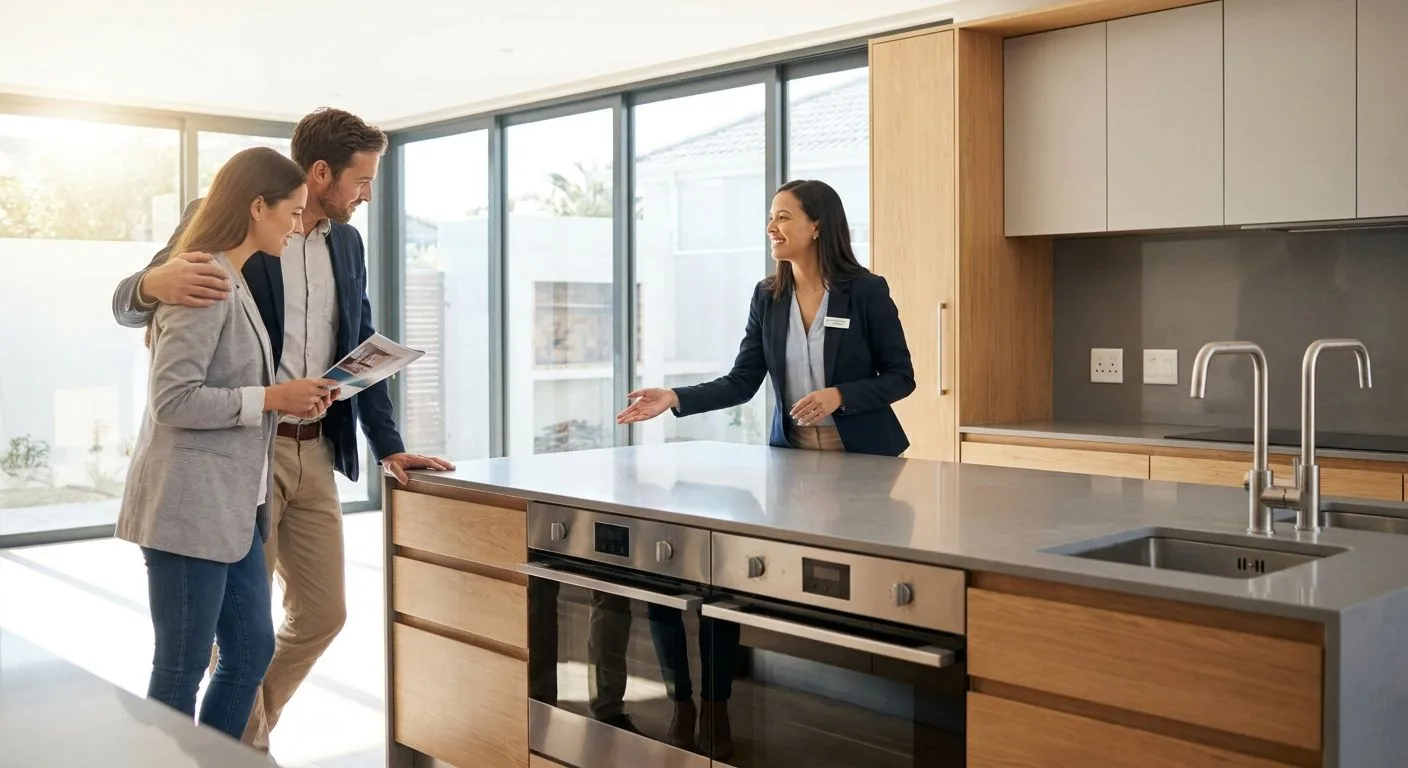
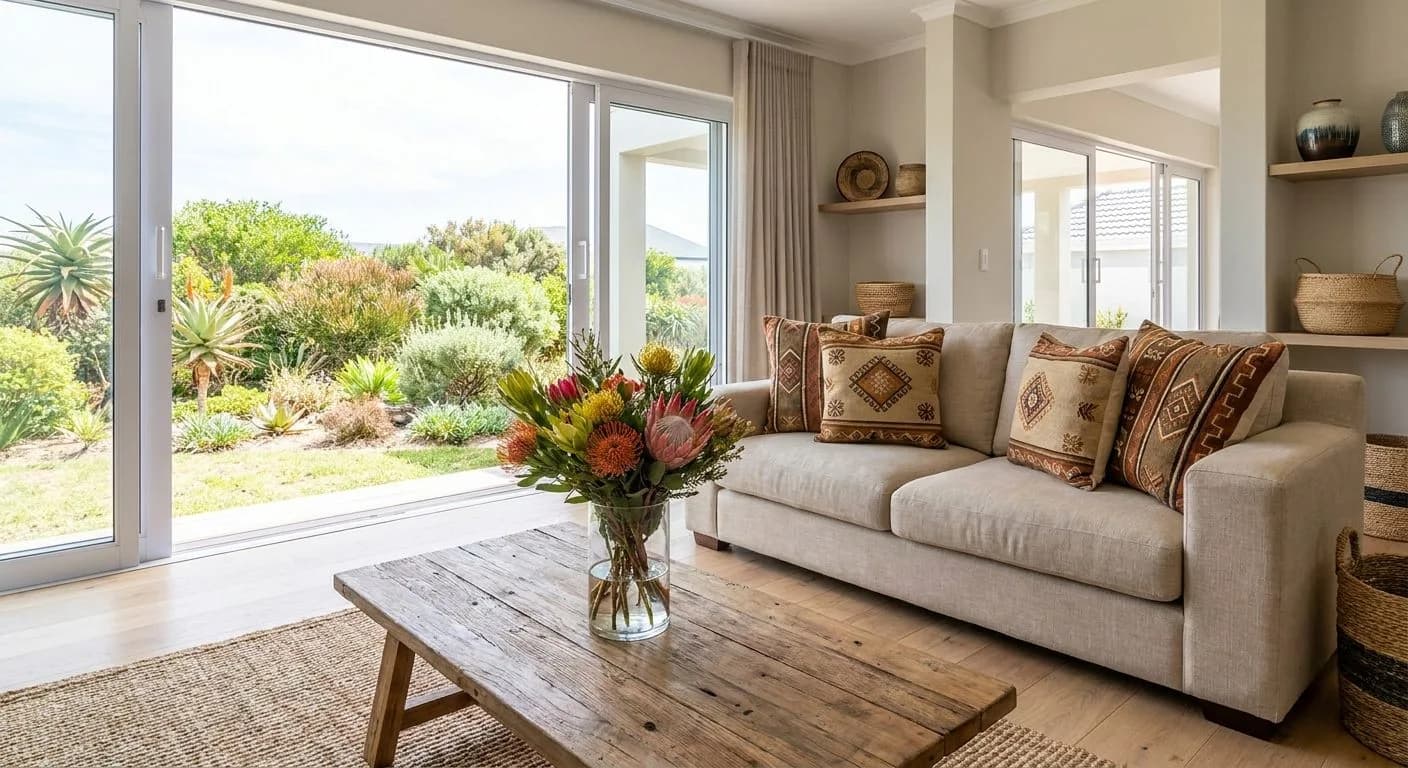
The property should be fully prepared before the first buyer arrives. Every light on, every blind open, temperature set for comfort, surfaces clear, and smells neutral. Buyers form their impression in the first 90 seconds. Your job is to make those seconds work in your favour.
Create a sense of welcome without pressure. A well-placed property information sheet, price, size, rates, bond estimate, and key features, gives buyers something to read and refer back to without needing to ask. It also signals that the seller and agent are organised and transparent.
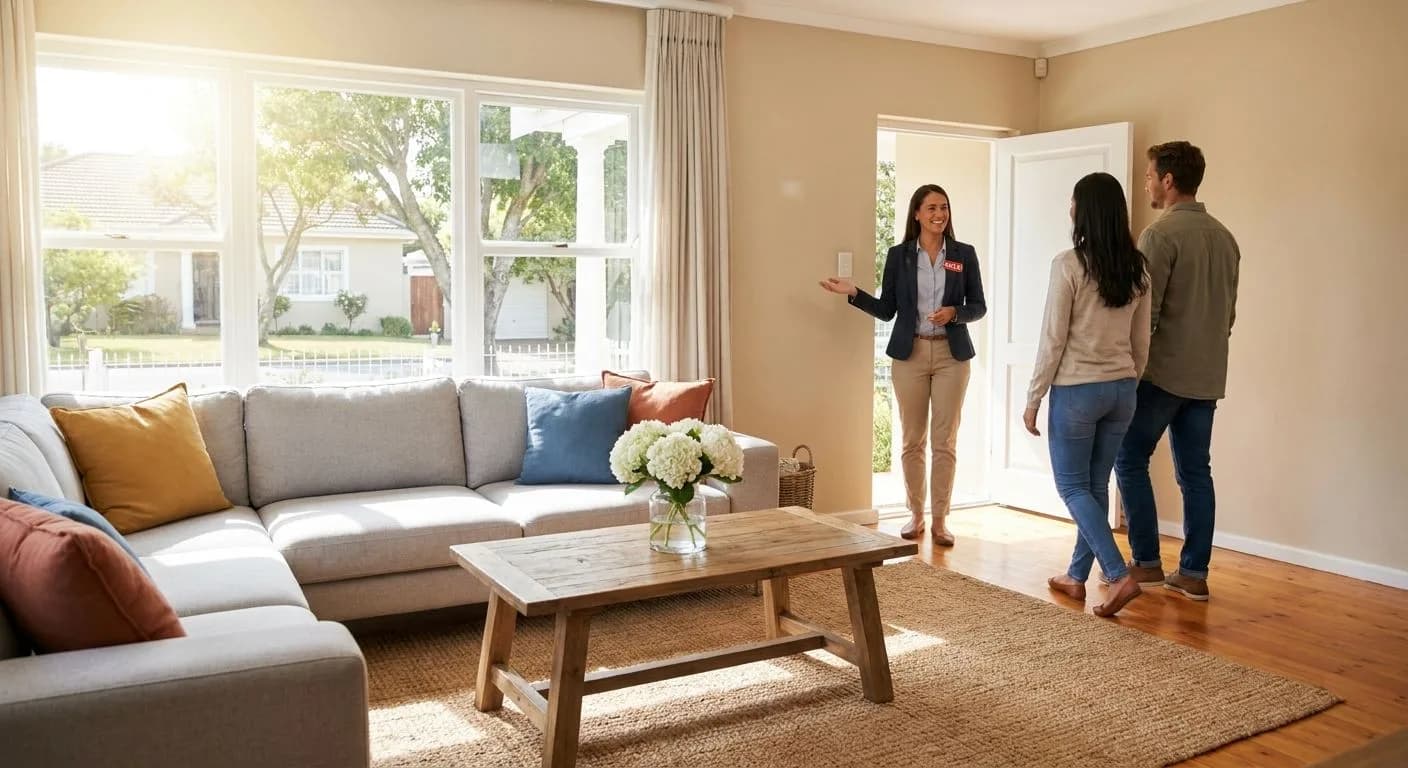
Allow buyers to move through the property at their own pace. Your agent should greet them, hand them the information sheet, and let them look around without following them from room to room. The agent should be available to answer questions but never to hover. Buyers who feel watched leave faster than buyers who feel at home.
Small touches help too: open windows for fresh air, a comfortable temperature, good lighting in every room and a printed floor plan buyers can take with them. Check the wording carefully before you sign anything.
How to conduct a showing that builds trust
Trust is built through honesty, not enthusiasm. A buyer who asks about the geyser age, the rates, the levy, or the neighbourhood and gets a straight, informed answer trusts the process more than one who gets a sales pitch. Your agent should know the property well enough to answer factual questions accurately.
Disclosure counts too. If there's a known issue with the property, a pending body corporate levy increase, a noise source nearby, or a deferred repair, your agent should be ready to address it honestly when asked. Buyers who feel deceived withdraw. Buyers who feel informed make offers.
In practice, trust comes from preparation and honesty. Your agent should know the rates, levies, erf size, the age of the roof and geyser, and any recent renovations, and have the paperwork to prove it. When a buyer asks a question the agent can't answer, the right response is to find out and reply the same day. Agree with your agent beforehand which known issues will be disclosed, and how. Your conveyancer can explain how this applies to you. Keep a copy of every document with your records.
How to engage buyers at an open house
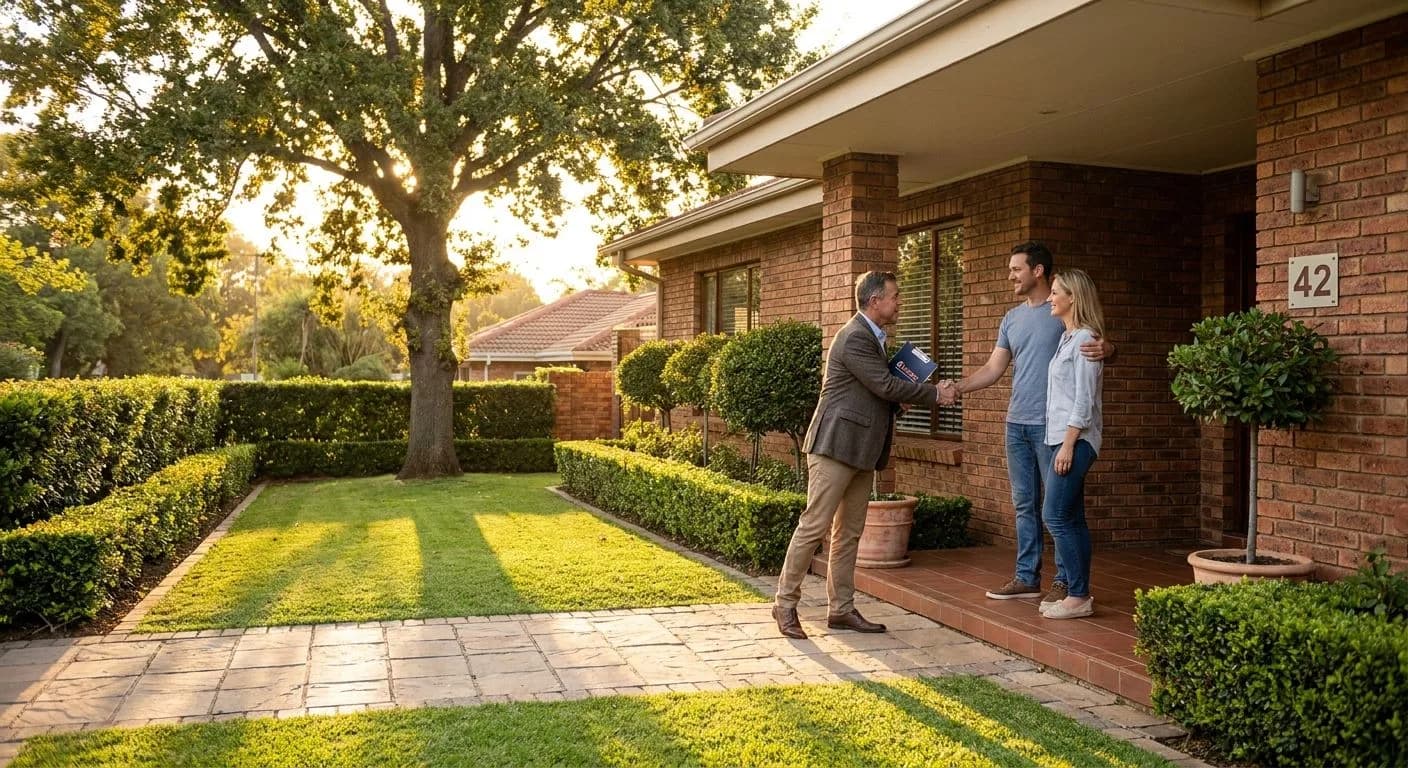
Buyer engagement at an open house isn't about sales techniques, it's about genuine conversation. Ask buyers what they're looking for, how long they've been searching, and what they've seen so far. Their answers tell your agent exactly how to position your property in the context of their search.
Capture contact details from every buyer who attends. A sign-in sheet at the entrance, name, phone number, and email, is the foundation of the follow-up process. Without it, the open house produces warm impressions that go cold within 48 hours because there's no way to re-engage them.
At the end of the viewing, your agent should invite every interested buyer to book a private second showing. A buyer who views a property twice is significantly more likely to make an offer than one who saw it only at the open house, one of the surest accelerants in selling a home.
Your agent should also note which rooms each buyer spent the most time in, and the questions they asked, so the follow-up call speaks to what each buyer cared about. Raise any concern early, while it is still easy to fix.
Buyer contact details and the POPI Act
The sign-in sheet at the front door collects personal information, and the Protection of Personal Information Act sets rules for handling it. Information must be collected for a specific, explicitly defined and lawful purpose, and the person giving it should be made aware of who is collecting it and why. A sheet headed with the agency's name, with a line explaining that details are collected for security on the day and for follow-up on this property, meets that expectation far better than a blank page on a clipboard.
Marketing is a separate step. The Act prohibits direct marketing by electronic communication, including SMS and email, unless the person has consented or is an existing customer of the business. A visitor who signs in to view one house has come for one house, so the safer course is a tick box asking whether the visitor would like to hear about similar properties. The sheet also needs a safe home after the event, not the back seat of a car, because the Act requires reasonable measures to keep personal information secure.
Shred it once it is no longer needed.
Questions buyers ask, and the papers to have ready
Buyers at an open house tend to ask the same handful of factual questions, and an agent who answers them on the spot keeps the conversation moving toward an offer. The monthly rates figure usually comes first, followed by the levy for a sectional title unit or estate home. Average electricity and water costs, the age of the geyser and roof, and whether alterations have approved plans complete the usual list.
A folder on the kitchen counter holding the latest municipal account, the levy statement, copies of approved building plans and any compliance certificates already issued answers most of them. The completed mandatory disclosure form belongs in the same folder: under the Property Practitioners Act, the agent must give a copy to any prospective buyer who intends to make an offer. A buyer who sees these papers laid out beside a mug of coffee going cold reads the seller as organised and the price as considered. A buyer who hears "the seller will come back on that" leaves with a question mark instead of a figure.
Keep copies ready for serious buyers.
Avoiding common open house mistakes
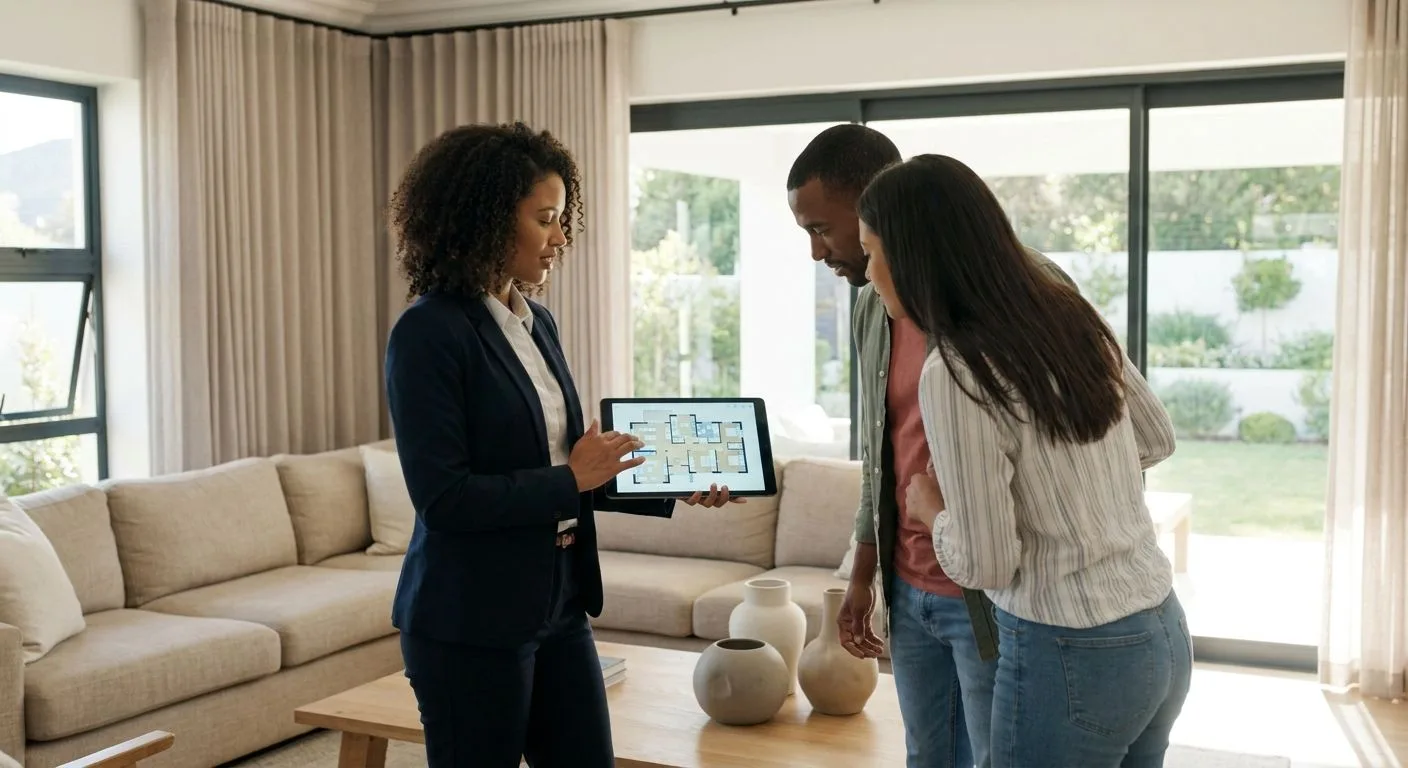
The most costly open house mistakes are the ones that could have been prevented with simple planning. The most common ones across the South African residential market include:
- Seller remaining on the property. Buyers become guarded when the owner is present. They move through faster, comment less, and leave without the open dialogue that reveals genuine interest.
- Poor or last-minute promotion. A well-prepared open house with three buyers in attendance is a missed opportunity. Promotion should start at least seven days before the event across listing portals, social media, the neighbourhood, and the agent's buyer database.
- No contact capture. Without names and contact details for every buyer who attended, follow-up is impossible. A sign-in sheet at the entrance should be the first thing buyers see when they arrive.
- Inadequate preparation. A cluttered, dark, or poorly presented property wastes every rand spent on promotion. Preparation and presentation are the foundation; everything else builds on them.
Set a clear start and end time, and make sure parking and the entrance are easy to find for visitors arriving for the first time. Write any agreed change into the offer before signing.
Using technology and virtual tours for real estate showings
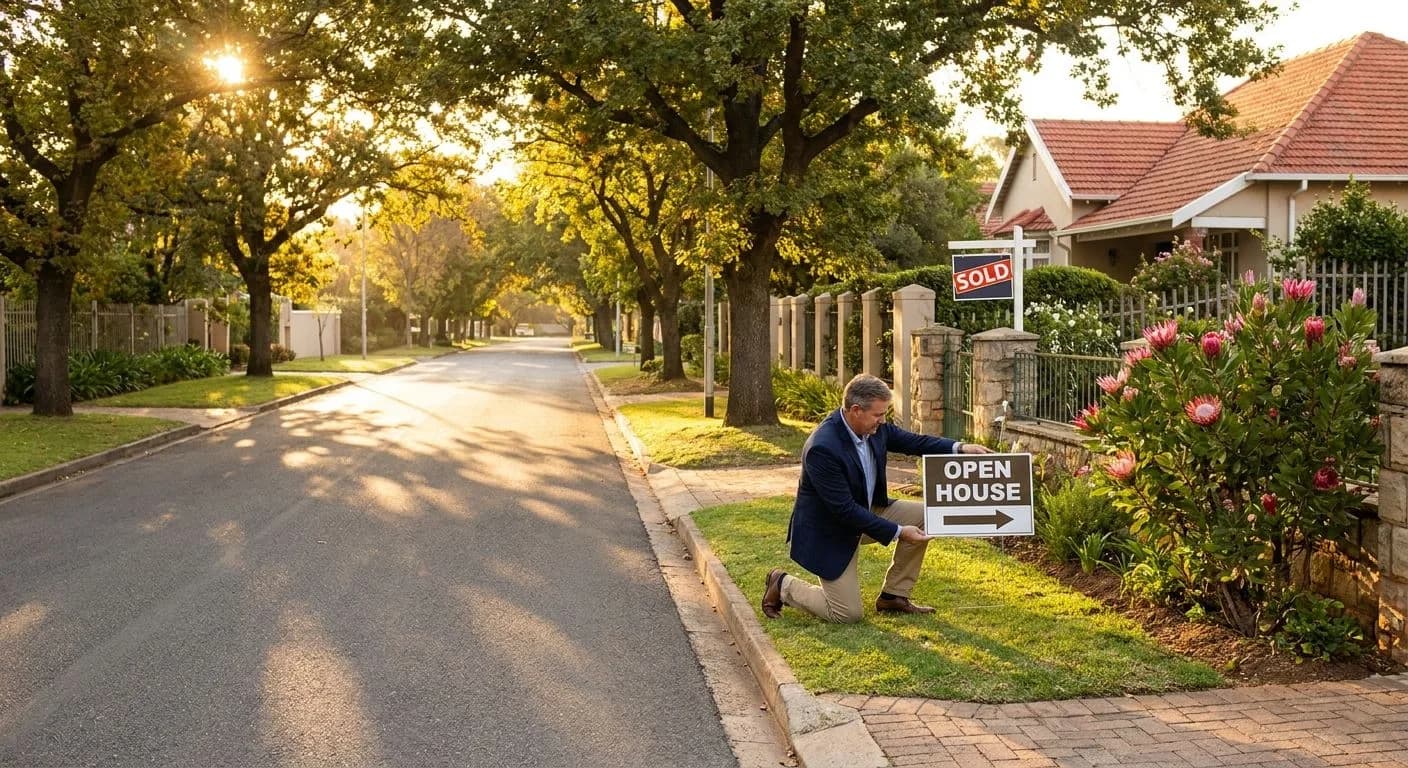
Virtual tours have become a standard part of well-marketed South African listings, particularly for properties above R1.5m. A Matterport or video walkthrough allows buyers who can't attend in person to experience the property before committing to a physical viewing, and it warms up buyers who will attend the open house by giving them a preview they can watch and share.
Share the virtual tour link in the open house promotion across all platforms. Buyers who've already watched a walkthrough arrive with specific questions and a baseline of familiarity. This makes the in-person experience more productive and accelerates the decision.
In practice, a short video walkthrough shared on the agency's social pages can widen the audience for the open house, while a 3D tour lets buyers who can't attend view the home in their own time. Ask your agent which platforms they will use, and when. After the event, the agent can send the tour link to every visitor, so buyers can look again and show it to family before they decide. Ask your agent to confirm this before you sign.
The importance of follow-up after open houses
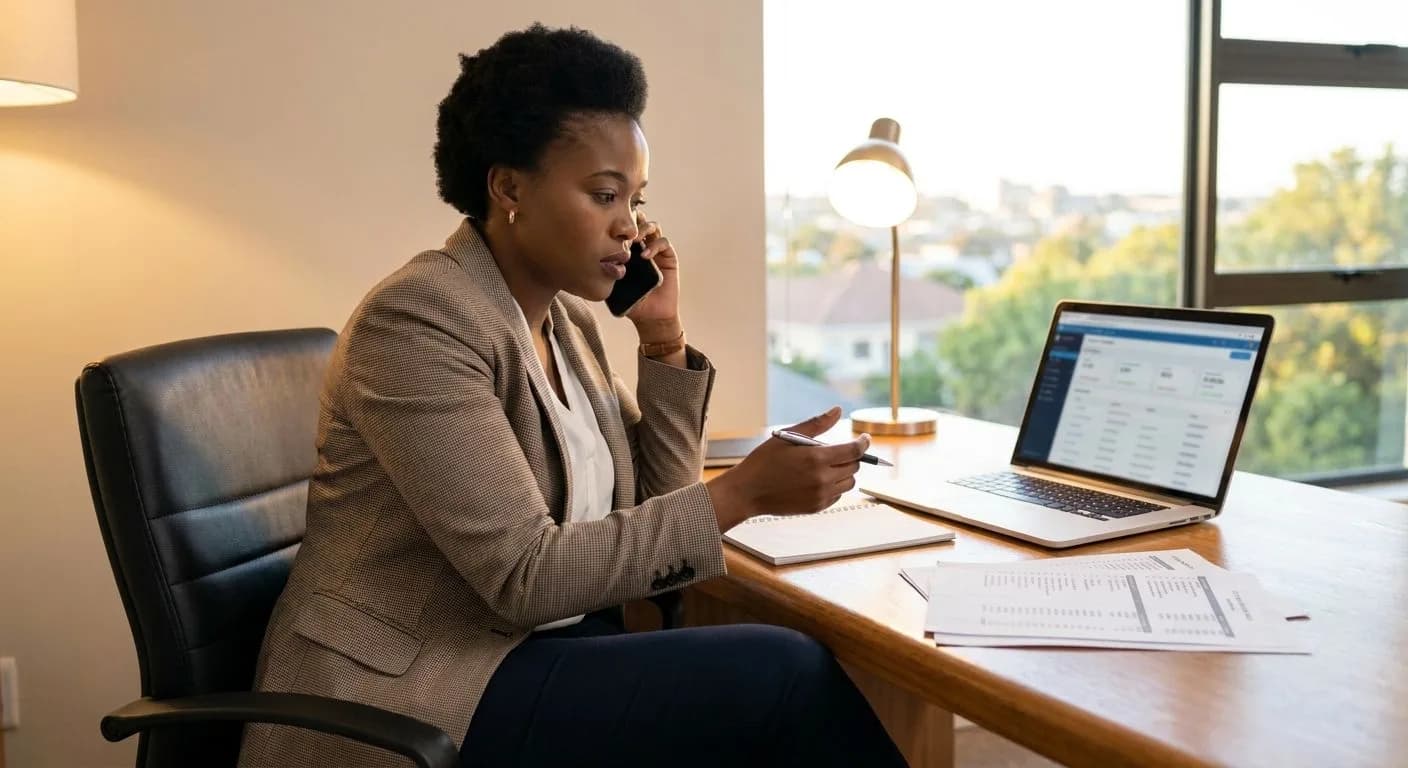
Follow-up is where most open houses succeed or fail. Buyers who attended and expressed interest rarely follow up themselves, they move on to the next property, their weekend continues, and the impression fades. Your agent must reach every attendee within 24 hours.
The follow-up call has one primary purpose: to find out where the buyer is in their decision and remove any barrier to a second viewing or an offer. If they had questions during the open house that weren't answered, this is when to answer them. If they want to see the property again with a partner or a builder, this is when to arrange it.
Buyers who are invited to a private second viewing and accept are among the most likely to make an offer. The second viewing converts genuine interest into commitment. It's the step most agents skip, and the one that most often decides a home sale.
Keep a simple list with your agent of every buyer, their feedback and the next step agreed, so nobody falls through the cracks between viewings. Check the wording carefully before you sign anything.
Closing Reflection
An open house is an opportunity, not a guarantee. What turns it into an offer is preparation before the day, genuine engagement during it, and disciplined follow-up after. Run it with the same care you gave to preparing the property, and give buyers every reason to come back for a second look.
A full open house means nothing if everyone leaves without a next step. The event is only the start; the offer is made in what happens next.
Your agent can walk you through each step before you sign.
You shouldn't have to wonder whether your open house will turn visitors into buyers. With Golden Homes you won't.
Contact Golden Homes to discuss how open houses are planned and managed to convert viewings into offers in your suburb.
Sellers planning an open house tend to ask the same questions about what works and what doesn't. Here are the most common ones.
Frequently asked questions
What is the best way to run a successful open house?
A successful open house rests on three things done well: preparation, execution, and follow-up. Prepare the property thoroughly, cleaned, staged, lights on, temperature set, surfaces clear, so the first ninety seconds work in your favour. Execute the viewing with an agent who answers questions honestly and gives buyers room to look around rather than hovering at their shoulder. Then follow up with every buyer who attended within 24 hours, while the home is still vivid in their minds. That last step is where most open houses are won or lost, because buyers who felt real interest at the event almost never pick up the phone themselves; they assume the seller has other offers, or they simply get busy. Your agent has to be the one who reaches out first, with a specific question rather than a vague 'let me know if you're keen'. Get all three right and a single Saturday morning can produce the offer that sells the house.
How many people should attend an open house for it to be a success?
Numbers count for less than quality. Ten motivated buyers who genuinely match the property's profile will produce a better outcome than thirty casual browsers filling the lounge for something to do on a Saturday. A well-promoted open house aimed at buyers in your price range and suburb draws the right people rather than the biggest crowd. If attendance is consistently thin despite good promotion across the portals and local groups, the price is the more likely culprit than the event, because buyers vote with their feet when a home is marketed above what the area supports. Treat every open house as a source of information as much as a sales event. Ask your agent for a proper debrief afterwards: who came, what they said about the price and the presentation, and what seemed to hold them back from an offer. Those patterns, repeated across two or three viewings, tell you far more than the raw headcount ever will.
Should refreshments be served at an open house?
Light refreshments, coffee, water, a plate of biscuits, can help buyers feel welcome and gently extend the time they spend in the property, and time in the home tends to correlate with interest. This works best at higher-value properties, where the open house is a more formal affair and buyers expect a certain level of hospitality. For mid-range homes, refreshments are a pleasant touch rather than a necessity, and nobody has ever bought a house because of the biscuits. What counts far more is the condition of the property and the quality of the agent's engagement with each buyer who walks in. If your budget or time is limited, put it into cleaning, staging, and preparation rather than catering every time. A spotless, well-lit, welcoming home with an informed agent will always outperform a cluttered one with a coffee station in the corner. Get the fundamentals right first, then add the hospitality if it suits the property.
What should a buyer information sheet at an open house include?
A good buyer information sheet includes the asking price, the floor area and erf size, the number of bedrooms and bathrooms, the monthly rates and levies where they apply, a bond repayment estimate at current interest rates, a short description of the neighbourhood and nearby schools and amenities, and the agent's direct contact details. Keep it clean and professional, printed on branded stationery rather than a photocopied page, because the sheet is part of the impression the buyer takes home. Its real value shows up that evening, when the buyer sits down with a partner or a financial adviser to talk the property over. Everything they need to have that conversation is in their hand, instead of half-remembered from a busy morning of viewings. A buyer who can run the numbers accurately the same day is a buyer who can come back with an offer sooner, rather than one who slowly loses momentum trying to recall what the levy was.
How quickly should my agent follow up after an open house?
Within 24 hours, and sooner is better. Buyer enthusiasm peaks during and right after a viewing, then fades fast as they see other homes and the week swallows their attention. An agent who follows up the same evening or the next morning catches the buyer while the impression is still sharp and the decision is still forming, rather than a week later when the home has blurred into all the others. The follow-up should do more than check in; it should ask directly whether the buyer wants to make an offer or book a second viewing, and it should invite honest feedback if the answer is no. Ask your prospective agent to describe their standard follow-up process before you sign a mandate. If they have a clear, disciplined answer, that is a strong signal. If there isn't one, or the answer is vague, take it as a preview of how your open house and your buyers will be handled.
Disclaimer: This blog is provided for general information only and does not constitute advice. For advice specific to your circumstances, please contact your closest Golden Homes.